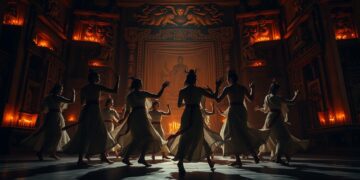

Honoring ancestors is a universal theme that goes beyond cultural boundaries. Around the world, different cultures have their own ancestor worship practices. These reflect their unique cultural traditions.
People honor their ancestors in many ways, from big ceremonies to simple daily rituals. These acts connect us to our heritage. They also give us a sense of belonging and continuity.
Cultural traditions around ancestral rituals are full of symbolism. They offer a peek into the values and beliefs of various societies.
Understanding Ancestral Rituals
Honoring ancestors through ritual practices is a common human need. It shows up in many ways around the world. These practices help people connect with their heritage and show respect to those who have gone before.
The importance of honoring ancestors comes from the belief that they keep watching over us. This belief is shown in many spiritual practices. These include offerings, prayers, and ceremonies to honor the ancestors.

Ritual practices for honoring ancestors are very different. They can be daily acts like leaving food or incense, or big ceremonies for special events. They can also happen during big life changes or times of need.
These rituals help people feel connected to their heritage. They also help seek guidance, protection, or blessings from ancestors. By taking part in these rituals, people can grow to appreciate their cultural roots and the values passed down through generations.
“The way we honor our ancestors is a reflection of our respect for tradition, community, and the cycle of life.”
In short, honoring ancestors through rituals is a powerful way to link the past to the present. It helps create a sense of continuity and belonging among people and communities.
Historical Context of Ancestral Practices
The growth of ancestral practices shows how cultural heritage and history are linked. Different cultures have created unique ways to honor their ancestors. These practices also show their values and beliefs.
Big historical events like migrations, wars, and cultural exchanges have shaped these practices. For example, the transatlantic slave trade changed the rituals of African diasporic communities. They mixed their African traditions with new ones from their environments.

In many cultures, traditional ceremonies are key to ancestral practices. They connect the past to the present. These ceremonies have rituals passed down through generations. They often change a bit with each new generation, influenced by today’s world.
The history of ancestral practices shows how strong and flexible cultural heritage can be. Even with big challenges and changes, many communities keep their traditions alive. They adapt them to fit new times while keeping their essence.
It’s important to understand the history of ancestral practices today. By looking at how they’ve changed, we learn about the cultural, social, and religious factors that have shaped them.
Common Elements of Ancestral Rituals
Ancestral rituals from different cultures share common elements. These elements strengthen family lineage and create a spiritual connection between the living and their ancestors. One key element is the use of food and drink offerings.
Significance of Food and Drink Offerings
Food and drink offerings are a common practice in ancestral ritual practices. They act as a bridge between the living and their ancestors. These offerings are believed to nourish the ancestors’ spirits and symbolize the ongoing relationship between the living and the dead.
Different cultures prepare various types of food and drink for these offerings. For example, in many Asian cultures, rice, fruits, and traditional dishes are commonly used. In some Latin American cultures, specific dishes that were favorites of the deceased are prepared. The act of preparing and giving these foods is not just about the physical act but is filled with emotional and spiritual significance.

The significance of these offerings lies in their ability to create a spiritual connection between generations. By honoring their ancestors with food and drink, individuals show respect and gratitude for their family lineage. This practice also helps pass down cultural traditions and values to younger generations.
In many cultures, sharing food and drink with ancestors is believed to bring blessings and protection to the family. It is a way of keeping a continuous bond with those who have passed away. This ensures their memory and legacy continue to influence the lives of their descendants.
Through these ritual practices, individuals can feel a deeper connection to their heritage and the natural cycle of life and death. By understanding and participating in these rituals, one can appreciate the rich tapestry of cultural traditions that honor the ancestors.
The Role of Family and Community
Family and community are key in keeping ancestral rituals alive. Family lineage is important because these rituals are passed down through generations. Each family member plays a vital role in the ceremony.
Ancestral rituals show how cultural traditions bring families and communities together. These events are more than just honoring ancestors. They also strengthen family bonds and community ties.

A cultural anthropologist said, “The collective participation in ancestral rituals fosters a sense of unity and shared identity among community members.” This shows how family and community are essential in keeping cultural heritage alive.
“The family is the first and most important unit in the transmission of cultural values and traditions.”
In many cultures, the community supports families in honoring ancestors. This creates a network of support beyond just family. It shows how family and community are connected.
By participating in these rituals, families and communities honor their ancestors. They also keep their cultural traditions alive for future generations.
Notable Ancestral Rituals in the U.S.
In the U.S., ancestral rituals are key to our cultural identity. They show the diverse backgrounds of Americans. These rituals honor our ancestors and connect the past to the present.
The Día de los Muertos (Day of the Dead) is a big ritual in the U.S. It’s a Mexican tradition. People make altars for their loved ones, decorate them, and hold feasts. The vibrant colors and lively festivities of Día de los Muertos make it a hit across the U.S.
The Qingming Festival is another important ritual. It’s celebrated by Chinese communities. They visit and clean their ancestors’ tombs, offer food and incense, and honor their memory.
The diversity of ancestral rituals in the U.S. is seen in many cultures. The Japanese Obon Festival and African ancestral ceremonies are examples. Each ritual adds to the rich cultural heritage of the U.S.
These traditional ceremonies keep our connection to the past alive. They help preserve our cultural heritage. By celebrating these rituals, communities in the U.S. can keep their cultural identity alive for future generations.
Ancestral Rituals in Different Cultures
Ancestral rituals worldwide show a rich tapestry of cultural heritage. These practices highlight the global importance of honoring ancestors. They also reflect the diversity of traditions across the globe.
In many Asian cultures, honoring ancestors is a big part of daily life. For example, in China, families gather during the Qingming Festival. They clean their ancestors’ tombs, offer food, and burn incense. In Japan, the Obon Festival is celebrated with lanterns, dances, and offerings to honor the spirits of ancestors.
In Africa, different ethnic groups have unique ancestral rituals. The Yoruba people of Nigeria, for instance, have a complex system of ancestor reverence. They believe their ancestors are always with them, guiding and protecting them. This is reflected in a Yoruba proverb: “The dead are not gone; they are just in the next room.”
“The veneration of ancestors is a fundamental aspect of many cultures, serving as a bridge between the past and the present.”
In many Indigenous cultures of the Americas, rituals are deeply connected to spiritual practices and nature. For example, some Native American communities hold rituals to honor their ancestors and the land. These rituals include traditional dances, songs, and offerings to keep nature in balance.
The variety of ancestral rituals shows how important cultural traditions are. They help shape identity and community. By honoring their ancestors, people and communities strengthen their ties to heritage and each other.
As the world gets more connected, learning about different ways to honor ancestors is key. It helps build respect and cooperation among communities. By embracing this rich ancestral heritage, we can create stronger, more inclusive societies.
Modern Adaptations of Ancestral Rituals
Modern adaptations of ancestral rituals show how cultural traditions can adapt and thrive. As societies grow, so does the way we honor our ancestors. We add new elements while keeping the core of these practices.
Globalization and new tech have brought fresh ways to honor ancestors. Now, digital platforms help hold virtual ceremonies. This blend of tradition and technology lets people keep their spiritual connection with heritage in new ways.
Today, rituals often mix different cultural practices. As people from various backgrounds come together, they create new rituals. These rituals respect many heritages, making them richer and more diverse. For example, a family might blend their cultural backgrounds for a ceremony that honors their ancestors in a personal way.
Yet, keeping rituals authentic and meaningful is a challenge. It’s important to balance change with tradition. Communities and individuals must carefully navigate this to keep their cultural heritage intact.
In summary, modern adaptations of ancestral rituals show a mix of tradition and innovation. By embracing change while staying true to their roots, people can honor their ancestors in ways that are both meaningful and fitting for today’s world.
Benefits of Practicing Ancestral Rituals
Honoring ancestors through rituals brings many benefits. It helps people feel closer to theirfamily lineageandancestral heritage. This connection can deepen their understanding of their cultural roots and sense of belonging.
Practicing these rituals also boosts spiritual well-being. They bring comfort, peace, and a link to the past. These rituals honor those who shaped our lives.
They also strengthen family ties and create community. Family members involved in these rituals grow to appreciate their heritage. They help pass down traditions to the next generations.
Practicing ancestral rituals also aids in personal growth. It makes people think about their values and the lessons from their ancestors. This reflection can make life more meaningful and grounded.
In summary, adding ancestral rituals to one’s life can change lives deeply. It connects us to our past while building a stronger sense of self and community.
How to Create Your Own Ancestral Ritual
Creating a personal ancestral ritual is a great way to honor your heritage. It helps you connect spiritually with your ancestors. Start by picking the practices that mean the most to you, like setting aside time and space for honoring them.
Look into your family’s cultural traditions and pick what feels important to you. This could be lighting candles, saying prayers, or sharing stories. The goal is to make a ritual that feels real and strengthens your bond with your heritage.
Think about setting up a special altar or sacred space in your home. It’s a powerful way to show respect and build a connection. By doing this regularly, you’ll learn more about your ancestors and their influence in your life.