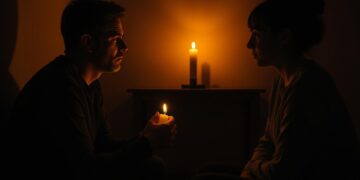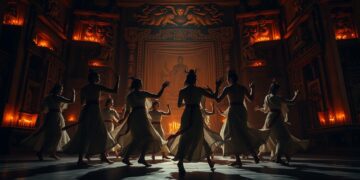

Ritual movements have been a big part of human culture for centuries. They help people connect with something deeper and more meaningful. Ritual movements are not just physical actions; they carry a deeper significance that touches participants.
The term “sacred dances” refers to these ritualistic movements with spiritual meaning. They are used in many cultural and religious contexts. They help people connect with the divine or honor important life events.
Exploring ritual movements and their significance can deepen our understanding of their role in human culture. It shows how they can be part of our daily lives. This helps foster a sense of spirituality and connection.
What Are Sacred Dances?
Sacred dances are special movements with deep spiritual meaning. They speak a universal language, crossing cultural lines. These dances are part of many cultural contexts, tied to religious or spiritual practices.
Sacred dances are more than just physical actions. They carry a profound meaning that touches those who perform them. These dances help people connect with something greater, share deep feelings, or celebrate important life and spiritual moments.
The belief behind sacred dances is that movement can express and connect us spiritually. Through ritual movements, people find unity, transcendence, and spiritual rebirth.
The Significance of Cultural Context
In various cultural contexts, sacred dances have unique forms and meanings. They reflect the history, beliefs, and values of each community. This makes each dance a special part of its cultural heritage.
To truly understand sacred dances, we must see them in their cultural contexts. This helps us grasp their importance and role in the spiritual lives of people and communities.
Historical Roots of Sacred Dances
Sacred dances have been a big part of human culture for a long time. They started as ancient rituals and have grown into today’s practices. These dances show the beliefs, values, and traditions of many cultures worldwide.

The historical roots of sacred dances are complex and varied. They reflect the different cultures where they developed. In many old cultures, dance was key for talking to gods, honoring them, and telling myths.
From Ancient Rituals to Modern Practices
As time went on, sacred dances changed with society and culture. Yet, they kept their spiritual importance. Today, they are a bridge to the past and a living part of our spiritual and cultural heritage.
The move from ancient rituals to today’s practices shows the strength and flexibility of these dances. They stay important in our world today.
Learning about the historical roots of sacred dances helps us appreciate them more. It also helps us enjoy them more, whether we’re dancing or watching.
Different Types of Sacred Dances
The world is full of sacred dances, each showing off a community’s culture and beliefs.
Sacred dances fall into different types, depending on their cultural and spiritual roots. For example, the Whirling Dervishes of Turkey are famous for their spinning. This dance is a big part of Sufi tradition.
In many places, sacred dances connect us to something greater. The Haka dance of the Maori people is a mix of culture and spirituality. It’s often seen during important rituals and ceremonies.
In India, the Bharatanatyam dance is known for telling spiritual stories. It uses detailed hand gestures and facial expressions. This dance is a way to reach out to the divine and is often done in temples.
Sacred dances show how different cultures share a common spiritual language. From the lively African dances to the calm Buddhist chants, these dances capture the heart of their traditions.
The Spiritual Significance of Sacred Dances
Sacred dances help people connect with something greater than themselves. They use special movements to feel a divine connection. This connection brings a sense of unity and belonging.
In many religions and cultures, sacred dances show deep feelings and connect with the divine. These dances help people find their spiritual side. They bring inner peace and harmony. The spiritual significance of these dances is wide-ranging, touching emotions, psychology, and the spirit.

Sacred dances stir strong emotions and bring people together. Sharing these dances creates a bond among participants. It fosters a sense of belonging and unity.
In many cultures, these dances are a way to talk to the divine. They are used for prayers and to show gratitude. The spiritual significance of these dances is in their ability to connect us with something higher. They help us grow spiritually.
Sacred Dances in Modern Times
In today’s world, sacred dances help us grow spiritually and find ourselves. These dances are a big part of our culture. They let us feel something deeper and connect with others.
These dances are not old-fashioned. They are relevant today, helping us connect with ourselves and others. People are finding peace and balance through them.
Sacred dances have evolved, from traditional ceremonies to dance therapy. This shows their enduring significance and how they fit into our lives today.
By practicing sacred dances, we connect with our heritage and our spiritual selves. This is important in our busy, fragmented world. It helps us find meaning and purpose.
Movements and Techniques in Sacred Dances
Exploring sacred dances shows their deep role in human culture and spirituality. These dances use movements that are more than just physical. They carry deep spiritual messages.
The techniques in sacred dances are complex and need lots of practice. A famous practitioner once said,
“The beauty of sacred dances lies in their ability to connect the dancer with a higher power, transcending the physical realm.”
This connection is made through precise movements passed down through generations.
Exploring the Movements and Techniques Used
Sacred dances include ritualistic movements, expressive movements, and meditative movements. Each type has its own purpose. It could be to honor a deity, express feelings, or find inner peace.

Ritualistic movements follow a set sequence to call forth a spiritual presence. Expressive movements let dancers share emotions and stories. Meditative movements help dancers find peace and connect with their spirit.
The techniques in sacred dances vary a lot. They include hand gestures and footwork. Mastering these techniques is key to understanding the dance’s spiritual meaning.
In summary, the movements and techniques in sacred dances are key to their spiritual and cultural value. By understanding and valuing these aspects, we can connect more deeply with the rich cultural heritage of sacred dances.
Participating in Sacred Dances
Participating in sacred dances lets you connect with your inner self and the community. These ritual movements bring many benefits that improve your well-being.
Emotional and Spiritual Benefits
Sacred dances offer emotional and spiritual benefits. They help you understand yourself better. The movements and rhythms bring calm and reduce stress.
Being part of a community is a big part of sacred dances. It creates a sense of belonging and connection. Sharing in these experiences with others boosts your well-being.
Personal Growth and Expression
Sacred dances help with personal growth and self-expression. They let you explore your creativity and express feelings in a healthy way. This boosts your confidence and self-image.
In summary, sacred dances can deeply impact your life. They offer emotional and spiritual benefits, personal growth, and a stronger community bond. Engaging in these practices helps you connect with yourself and others on a deeper level.
The Emotional Impact of Sacred Dances
Starting a journey with sacred dances can change you deeply. It touches your heart and soul, leading to a deep emotional release.
Sacred dances are more than just steps. They speak to the soul, sharing feelings and spiritual moments in a way words can’t. People feel a strong bond with themselves and others while dancing. This bond creates a sense of community and belonging, which is key for emotional health.
The emotional impact of sacred dances is seen in several ways:
Emotional Expression
Sacred dances let people express deep emotions through movement. They can share feelings that are hard to say with words. As Gabrielle Roth, a well-known figure in sacred dances, said,
“The body is the garden of the soul, and movement is the key to its gate.”
This quote shows how sacred dances unlock and share the deepest emotions.

Dancing in sacred dances can be healing. It helps release tension and emotions, bringing relief and calm. This healing is a big part of the emotional impact of sacred dances.
Connection and Community
Sacred dances bring people together, creating unity and shared experiences. This community aspect is important for emotional health. It fights loneliness and isolation. Dancing together makes people feel connected to their community and the world.
In summary, sacred dances have a wide emotional impact. They influence how we express ourselves, heal, and connect with others. Adding sacred dances to our lives can greatly improve our emotional well-being.
Sacred Dances and Mindfulness
Mindfulness is key in sacred dances, helping us connect with ourselves and others. It makes our experience of sacred dances richer, bringing us more awareness and presence.
Sacred dances help us stay in the moment. They require us to pay attention and be intentional. This helps us ignore distractions and focus on now.
The Connection Between Sacred Dances and Mindfulness is about understanding ourselves and the world better. Sacred dances help us become more mindful, leading to a deeper connection with ourselves and the world.
Practicing sacred dances mindfully brings many benefits. It reduces stress, increases self-awareness, and brings calm and well-being. It also builds a sense of community and connection among participants.
The Mindful Practice of Sacred Dances means being fully present and engaged. Letting go of distractions, we focus on our body’s movements and sensations. This deepens our connection with the dance and ourselves, making our experience more meaningful.
In conclusion, sacred dances and mindfulness are closely linked. They offer a powerful way to increase awareness, presence, and connection. By adding mindfulness to sacred dances, we can connect more deeply with ourselves and others.
Conclusion: Embracing Sacred Dances in Daily Life
Adding sacred dances to our daily lives can change us deeply. It helps us connect more with ourselves and others. These dances let us feel their spiritual and emotional power.
Sacred dances are a special way to share deep feelings and reach out to something greater. They help us grow personally and spiritually. When we make these dances a part of our day, we feel a big change in our emotional and spiritual health.
By bringing sacred dances into our daily lives, we grow in mindfulness and self-awareness. We also feel a stronger sense of community. This mix of the sacred and everyday can make our lives more balanced and meaningful.