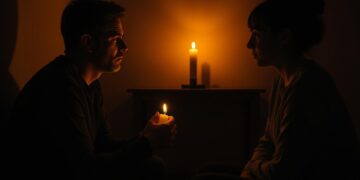

The idea of community healers comes from the “wounded healers” concept. Pastor Jeff Wells talks about this. It shows how people who have healed themselves can help others.
These people have gone through their own healing. They can help others on their journey. This creates a sense of healing communities.
The role of community healers is complex. They need empathy and understanding. They connect with those who are struggling. Their work improves the community’s well-being.
Understanding the Role of Community Healers
The idea of community healers is simple. People who have faced their own struggles can help others heal. This idea is tied to the concept of “wounded healers,” who use their personal experiences to support others.
Henri Nouwen, a famous spiritual writer, said that wounded healers are special. They’ve faced their own weaknesses and can connect deeply with others. This helps create a healing environment.
“The wound is the place where the light enters you.”
Rumi’s words capture the wounded healer spirit. Our wounds can be a source of strength and light for ourselves and others. Community healers turn their experiences into a force for healing in their communities.
Community healers do many things. They offer emotional and spiritual support and help rebuild community bonds. This helps create healing communities where everyone feels valued and understood.
In short, community healers play a key role in healing. They show us the importance of working together for everyone’s well-being. Their work is a powerful reminder of our ability to overcome and grow.
The Historical Context of Healing
Throughout history, many cultures have created their own healing practices. These practices show their views on health, wellness, and being human. The history of healing is rich and varied, with many traditions and beliefs.
Ancient Traditions and Healing
Many ancient cultures saw healing as both physical and spiritual. For example, the Talmud, an old Jewish text, talks about healing and wholeness. It shows how important spiritual and community aspects are in healing.
“The Talmud contains a wealth of information on healing practices, highlighting the role of community and spirituality in recovery.”
The Role of Spirituality in Healing
Spirituality has been key in healing practices worldwide. It’s believed that spiritual health is tied to physical health. In traditional healing, spiritual rituals and treatments are used together to help people feel whole.
The mix of spirituality in healing shows a holistic view of health in many cultures.

Healing practices have varied across cultures, often including spirituality and community. Learning about these historical and cultural views helps us understand modern healing better.
Looking at ancient traditions and spirituality in healing, we see the depth and richness of human health and wellness approaches.
The Impact of Trauma on Communities
Trauma deeply affects communities, changing lives for the worse. Trauma comes from many sources, like natural disasters, violence, or social injustices. These events leave lasting scars.
When trauma hits a community, it touches every part of life. People may feel anxious, depressed, or have PTSD. This makes it hard to do daily tasks or keep relationships strong. The community’s trust and unity can also break down.
To heal community trauma, we need a big plan. This plan should help both individuals and the community. It includes mental health services, community talks, and efforts to bring people together.
The ROOT initiative shows how vital it is to understand trauma’s effects. By recognizing trauma’s impact, communities can start healing and recovering.
“Healing is a matter of time, but it is sometimes a matter of opportunity.”
Creating chances for healing is key. This means supporting communities and letting them lead their healing. This way, communities can recover and grow stronger against future traumas.
Healing Modalities: A Look at Different Approaches
Healing is a journey that involves many paths. Each person and community has unique needs. It’s not just about fixing the body; it’s about healing the mind and spirit too.
Traditional healing practices have helped communities for centuries. They bring comfort and a sense of belonging. These practices include rituals, ceremonies, and natural remedies passed down through generations.
Indigenous communities worldwide use these practices to heal from historical trauma. They help everyone in the community feel connected and supported.
Alternative healing modalities are also effective. Somatic treatments help release tension in the body. Art therapy uses creativity to heal from trauma. The ROOT initiative shows how these methods can build resilience.

These healing methods offer many benefits. They help right away and support long-term healing. They also bring people together, which is key for healing.
But, there are challenges too. Like making these methods available to everyone. And making sure they respect different cultures.
By embracing all healing modalities, we can create better healing plans. We should value both traditional and alternative methods. This way, we can help everyone heal and grow together.
Building Trust in Healer-Community Relationships
Building trust is key in healer-community relationships. It creates a safe and supportive space. When people feel safe, they share more, leading to deeper healing.
Establishing Trust: Trust takes time and effort. Healers build it by listening actively and showing empathy. They understand and meet the community’s needs.
Healers can also build trust by being open about their methods and goals. Being transparent clears up doubts and fears. This makes the community more open to healing.
Strategies for Building Trust
There are ways to build trust in healer-community relationships. These include:
– Doing community outreach and education. This informs the community about healing and the healer’s role.
– Working with community leaders to create healing programs that fit the culture and needs.
– Providing steady support to community members. This shows a long-term commitment to their well-being.
By using these strategies, healers can build strong, trust-based relationships. This makes community healing more effective.
The Benefits of Community Healing
Community healing helps make communities stronger and more united. Community healing fixes individual wounds and brings people together. It creates a sense of unity and cohesion.
When communities heal together, they support each other’s well-being. This approach improves mental health. People feel supported and understood in their community.
The ROOT initiative shows that community healing boosts collective well-being. Communities build stronger, more meaningful relationships through healing together.
Healing communities also see less conflict and more engagement. They become more resilient against future challenges. This creates a cycle of healing and growth.
“Healing is a matter of time, but it is sometimes also a matter of opportunity.”
This quote highlights the need to seize healing opportunities. Communities should actively address past traumas. This leads to a more cohesive future.
In summary, community healing offers many benefits. It improves mental health and strengthens community bonds. By understanding these benefits, communities can build a brighter future.
Community Healing Initiatives and Programs
The rise of community healing initiatives shows a move towards more caring ways. These programs aim to meet the complex needs of communities. They create a space for support and recovery.
The ROOT program is a great example. It offers resources and support for healing. The initiative says, “Healing is a collective process that requires community-wide participation and commitment.”
“Healing is not just about individual recovery; it’s about rebuilding the fabric of our communities.”
Healing programs like ROOT provide many services. They include counseling, therapy, community events, and workshops. These efforts help build trust and strengthen relationships in the community. They promote unity and cooperation.
The effects of these community healing initiatives are significant. They lead to better mental health, less conflict, and stronger community bonds. These programs support individuals and communities to heal and grow.
As communities face many challenges, the value of community care grows. Programs focused on healing and wellness are key to building strong communities.
The Role of Technology in Community Healing
Technology is changing how we heal together in communities. It brings new ways to get help and learn. Now, more people can join in and feel included.
Online healing sites are becoming key in helping communities. They offer counseling, support groups, and learning tools. You can use them from home.

Using technology in healing has many good points. It lets people from all over connect and help each other. It also gives a safe space for those who don’t want to meet face-to-face.
But, there are downsides too. Not everyone has good internet or knows how to use digital tools. Also, missing out on direct talks can slow down healing.
Even with these issues, technology is a big help in healing communities. By knowing its strengths and weaknesses, we can use it to build stronger, caring communities.
Stories of Successful Healing in Communities
Stories of community healing show the strength of people all over the world. These tales inspire and push others to seek healing and recovery.
Case Studies in Community Healing
Many communities have made big steps in healing. For example, a group hit by historical trauma started a healing circle. Here, people could share their stories and support each other. This way of healing brought the community together, making them stronger.
“The power of community healing lies in its ability to bring people together, creating a supportive environment that fosters recovery and growth.”
Another community created a mental health support program. It had workshops, counseling, and support groups to help people’s mental health. This program really helped the community’s mental well-being.
These examples show important strategies for community healing. First, community engagement is key. When people are involved, they feel a sense of belonging and duty.
Second, culturally sensitive approaches are essential. Healing efforts that respect and use the community’s culture are more likely to succeed.
Lastly, collaboration and partnerships are important. Working together with organizations, healthcare, and local government helps provide the needed support.
In summary, the stories of healing in communities remind us of the chance for recovery and growth. By learning from these successes, other communities can start their healing journeys too.
Challenges Faced by Community Healers
Community healers face big hurdles as they try to fix their communities. They deal with many challenges that make their work hard. These challenges can stop them from helping their communities.
One big problem is burnout. Their job is emotionally demanding, leading to exhaustion. They also meet resistance to change from people who don’t want new healing ways.
Another big issue is the lack of resources. They often don’t have enough money, training, or support. This is tough in poor or marginalized communities.

Despite these problems, community healers have ways to beat them. They can focus on self-care to avoid burnout. They also keep learning and getting better at their job.
Building trust with people is key. Strong, trusting relationships help them meet community needs. This creates a healing environment.
Knowing the challenges and solutions helps us support these important workers. We can help them fix community wounds.
The Future of Community Healing
Community healing is changing, thanks to new tech and shifting societal needs. It’s key to grasp the trends shaping community wellness’s future.
Technology is a big player in community healing’s future. Telehealth services and online support groups are gaining traction. They let people get help from home. This makes healing more available to many.
There’s also a push for inclusive and culturally sensitive healing practices. Communities now see the value of healing that respects different cultures. This means using traditional healing and training healers in cultural awareness.
The need for trauma-informed care is another trend. It’s a response to trauma’s effects on people and communities. This care meets trauma survivors’ specific needs, helping them heal better.
Looking ahead, community healing will remain essential for wellness and resilience. By adopting new trends and tech, healers can build more welcoming and effective healing spaces for everyone.
How to Get Involved as a Community Healer
To become a community healer, you need to understand the community’s needs. You also have to be ready to help. Start by looking for training and support from groups like the ROOT initiative. They offer help for those wanting to help their community heal.
Begin by finding training programs that teach healing skills and how to work with the community. It’s important to build trust. Do this by being reliable, understanding, and truly dedicated to healing.
By following these steps, you can help fix community problems and promote healing and growth. As a community healer, you can make a big difference. You’ll help make your community stronger and more supportive.